
There is a corner of the Adriatic that quietly ticks every box a couple could want from a destination wedding: dramatic mountain scenery, medieval old towns, turquoise coastline, and a sense of discovery that more familiar European hotspots can’t offer anymore.
A wedding in Montenegro is that rare combination: genuinely spectacular, still relatively unspoiled, and far more accessible than most people realise.
Montenegro is fast gaining a reputation as one of Europe’s most exciting wedding destinations.
The wedding season runs from early May through to late October, giving couples a generous window to find their perfect moment.
Direct flights connect UK airports to the coast, and once you land, you will understand immediately why more couples are choosing this small Balkan gem over more well-trodden alternatives.
Where to Celebrate: Cities, Coastline and Hidden Gems
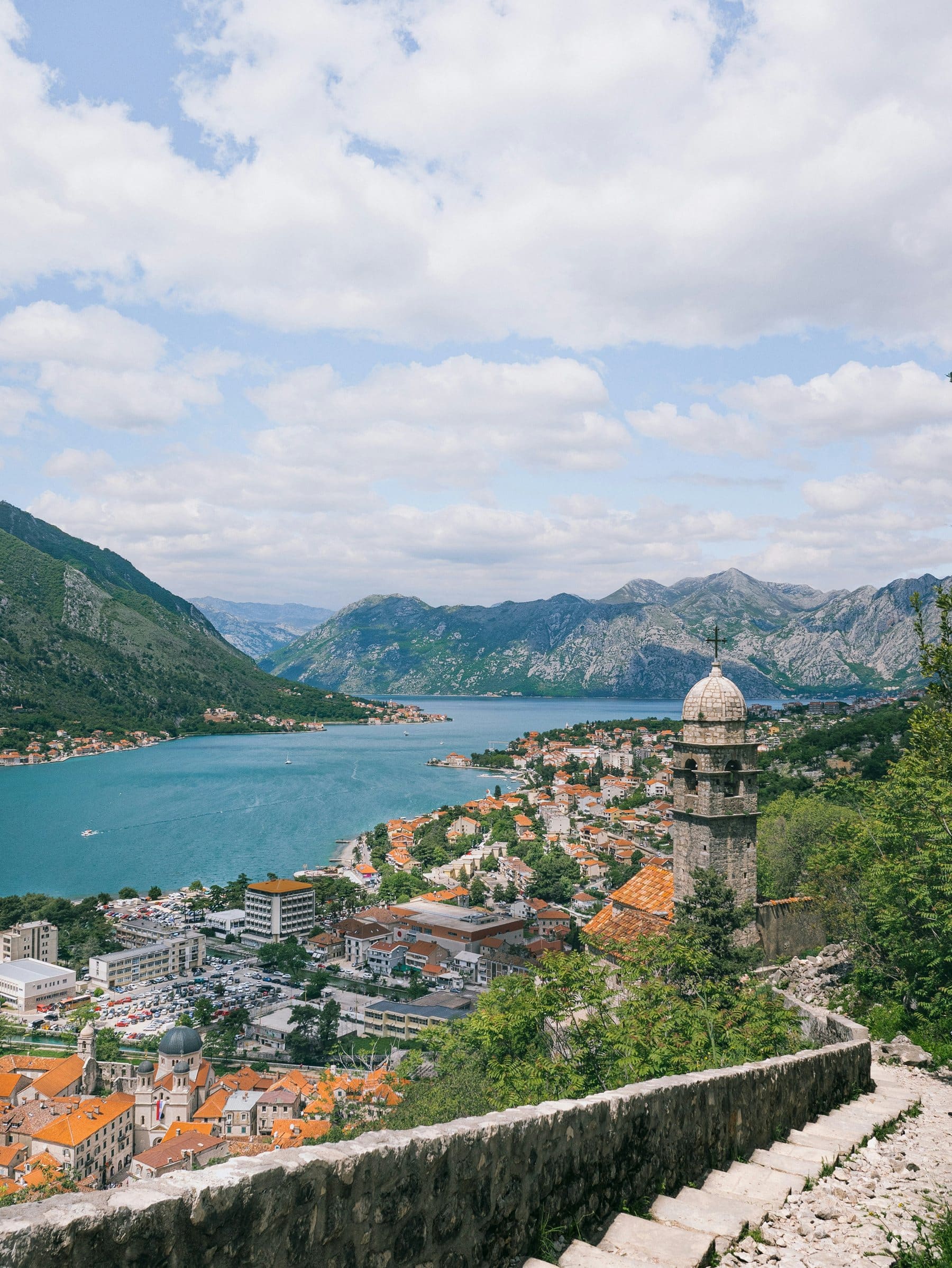
Kotor is a must. A UNESCO-protected old town wrapped in medieval walls, with the Bay of Kotor stretching out beyond it.
Stone churches, ancient alleyways, and a backdrop that photographers dream about. For something a touch more glamorous, Tivat is home to Porto Montenegro, a world-class marina village that offers waterfront ceremony spaces, luxury hotel settings, and a cosmopolitan energy all of its own.
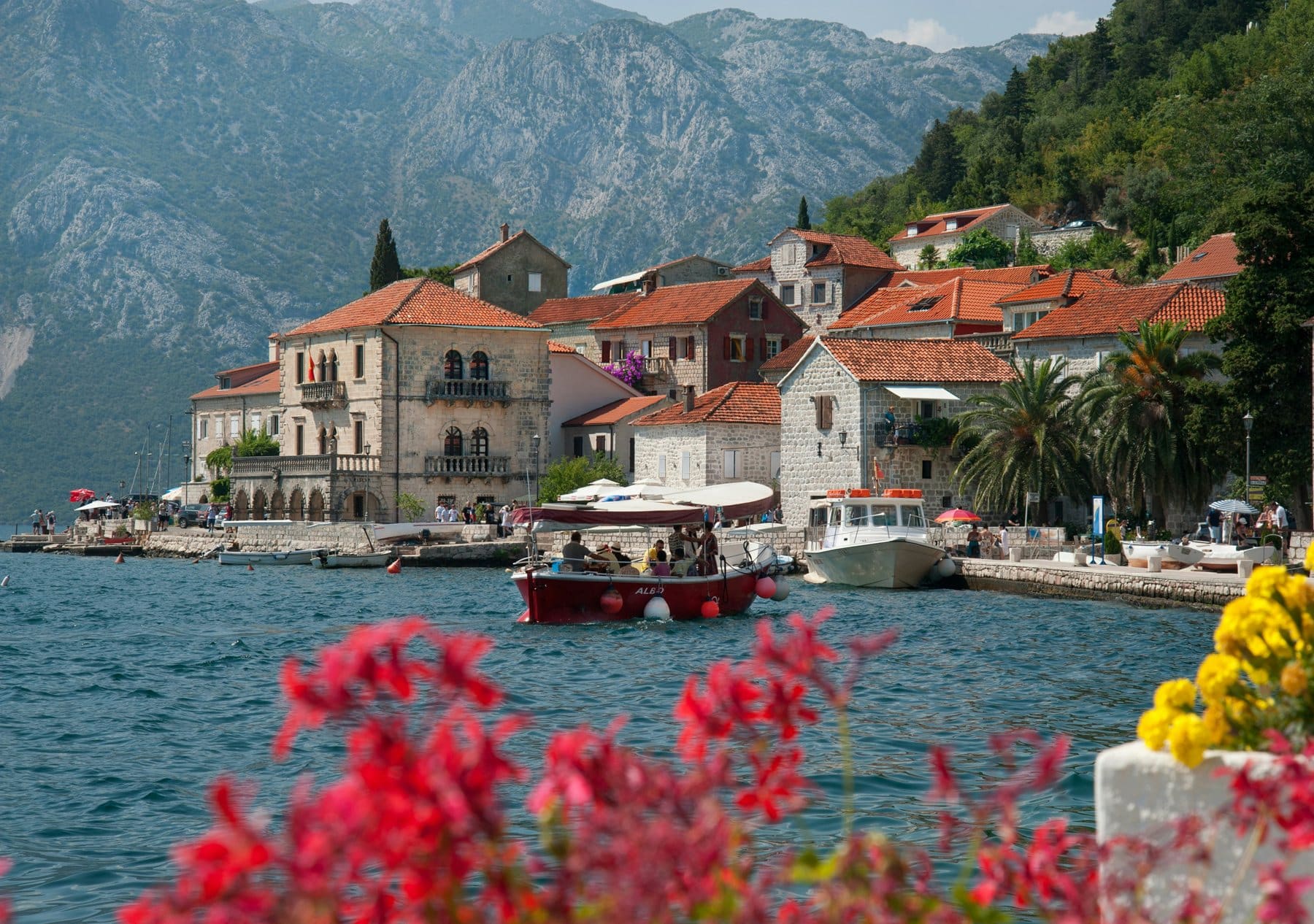
Budva draws couples who want beaches and old-town atmosphere in one place, while the village of Perast offers something more intimate – a Baroque waterfront setting with the iconic island churches sitting in the bay.
Inland, the Durmitor National Park and the rural highlands open up an entirely different side of Montenegro: mountain meadows, ancient stone villages, and a sense of timeless calm that makes for unforgettable photographs.
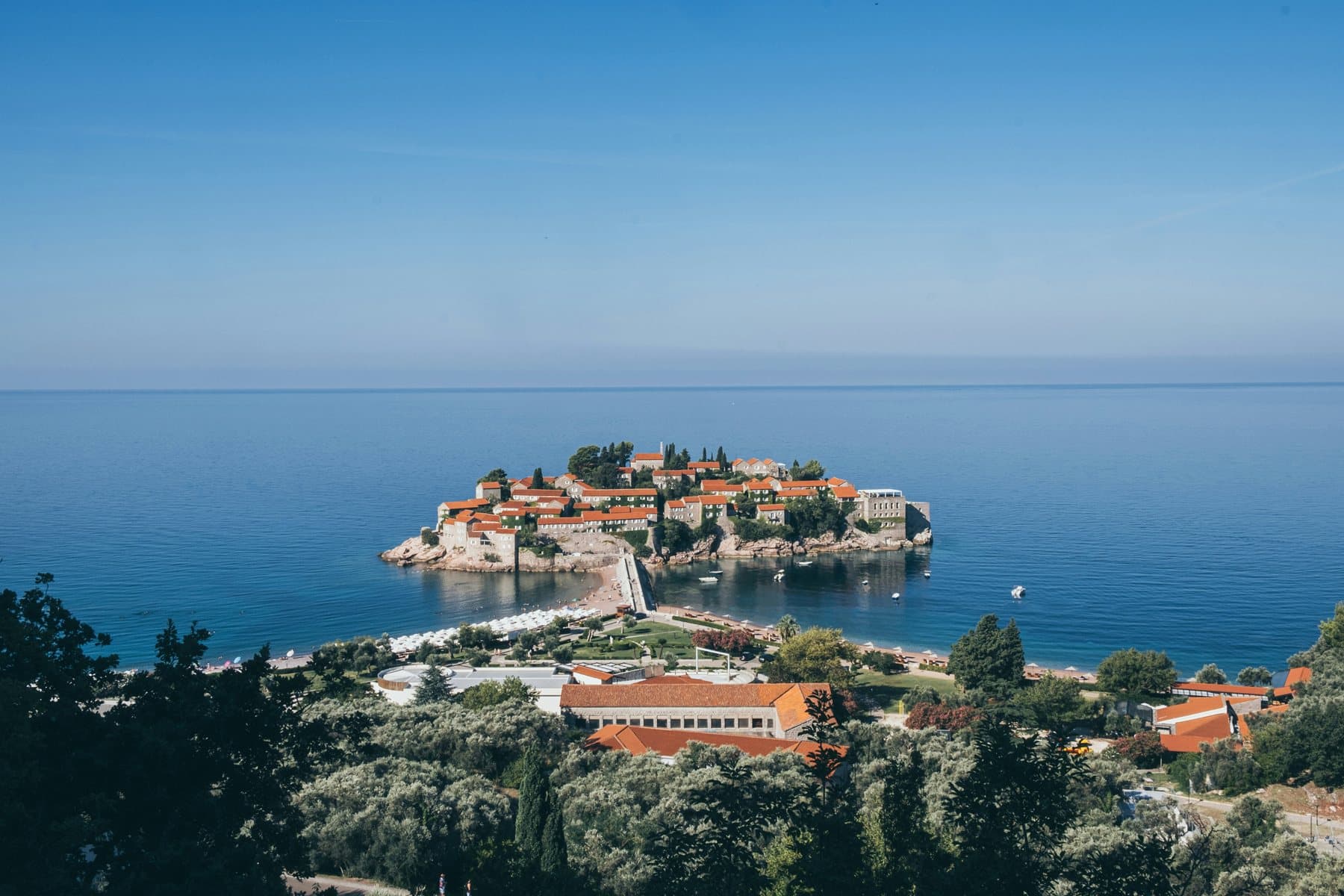
For couples drawn to the coast’s more secluded corner, Sveti Stefan is worth a special mention.
This walled islet resort, once a fifteenth-century fishing village and now a private-island luxury hotel, is connected to the mainland by a narrow causeway and remains one of the most photographed wedding settings on the Adriatic.
Villa Milocer, the former royal summer residence on the mainland opposite, offers similar seclusion with more flexibility for larger guest lists.
For venues, the range is remarkable. The One&Only Portonovi brings resort-level luxury to Boka Bay, and the Regent Porto Montenegro offers a nautical-themed, Venetian-influenced setting overlooking the bay itself.
The Savina Winery offers ceremony hire alongside Montenegrin wine, olives, and bay views, while inland near Cetinje, family-run wineries and the shores of Skadar Lake bring a quieter, more rustic alternative for couples wanting a countryside celebration.
And for something truly singular, restored fort-islands, hilltop estates like Talici Hill, and centuries-old palace buildings in Perast all make for settings that feel one of a kind.
For couples who prefer contemporary architecture to old-world charm, the Lustica Peninsula’s marina villages and boutique resorts add a more modern, design-led option to the mix – well suited to a smaller, design-conscious wedding party seeking privacy.
A Touch of Montenegrin Tradition
One of the great pleasures of marrying in a new country is the culture you absorb simply by being there.
Montenegrin weddings have a rich heritage. They are grand communal celebrations, often spanning more than one day, filled with music, dancing, and elaborate ritual.
The traditional folk dance known as the “oro” is still performed at weddings today, a joyful circle dance that brings everyone onto the floor together.
Couples planning a destination wedding here can weave in touches of local flavour. “starogradska muzika” (old-town coastal melodies performed live on folk instruments) makes for an extraordinarily atmospheric ceremony soundtrack.
A few other local touches translate beautifully into a modern celebration: the wedding flag, traditionally carried by the best man throughout the festivities, makes for a striking processional moment; a rakija toast (a homemade fruit spirit used in traditional celebrations) pairs well alongside a Champagne reception for a distinctly local welcome; and a menu featuring njeguski prsut and cheese, fresh Adriatic seafood and kolac (celebration bread) brings genuine Montenegrin character to a welcome dinner.
These are optional flourishes. Every wedding is built around the couple, with as much or as little local character layered in as they would like.
Planning a Wedding in Montenegro with La Fête
A destination wedding here does call for a planner who can navigate the local landscape with ease – and language fluency matters more than most people expect.
Charlotte Ricard-Quesada, founder of La Fête, works fluently in English, French, Italian, and Spanish.
That multilingual capability is an enormous practical asset when coordinating with local suppliers, venues, and town hall administrations, and it means nothing gets lost in translation at the moments that matter most.
And with Charlotte being fluent in Italian, this is a big help in Montenegro.
The Bay of Kotor spent nearly four centuries under Venetian rule, and its architecture, old-town street plan and coastal character still carry that Italian imprint today.
For Italian-speaking couples, or those working with Italian-speaking suppliers, photographers or family members, a wedding planner fluent in Italian is a must.
Start Planning Your Montenegro Wedding
If a wedding in Montenegro is calling to you, get in touch. This is exactly the kind of brief the team at La Fête lives for