
Across Europe, many extraordinary heritage estates remain commercially underutilised.
From historic châteaux in France to Tuscan villas, Andalusian fincas and privately owned country estates in the UK, these properties offer the architecture, landscapes and atmosphere that modern couples actively seek for their celebrations.
Yet entering the wedding market successfully requires far more than simply opening the gates.
In a competitive international landscape, beautiful rooms and exceptional hospitality are not enough. Clear positioning, a considered pricing structure and a defined event strategy are what allow a venue to attract the right clientele, command premium pricing and operate sustainably.
For heritage estates, the opportunity lies in structuring a wedding offering that generates meaningful revenue while protecting the character and legacy of the property.
Weddings as a Strategic Revenue Stream
Luxury weddings can provide one of the most effective revenue streams available to heritage estates.
Unlike many corporate events, weddings often involve multi day celebrations, international guest lists and clients who are prepared to invest significantly in the experience.
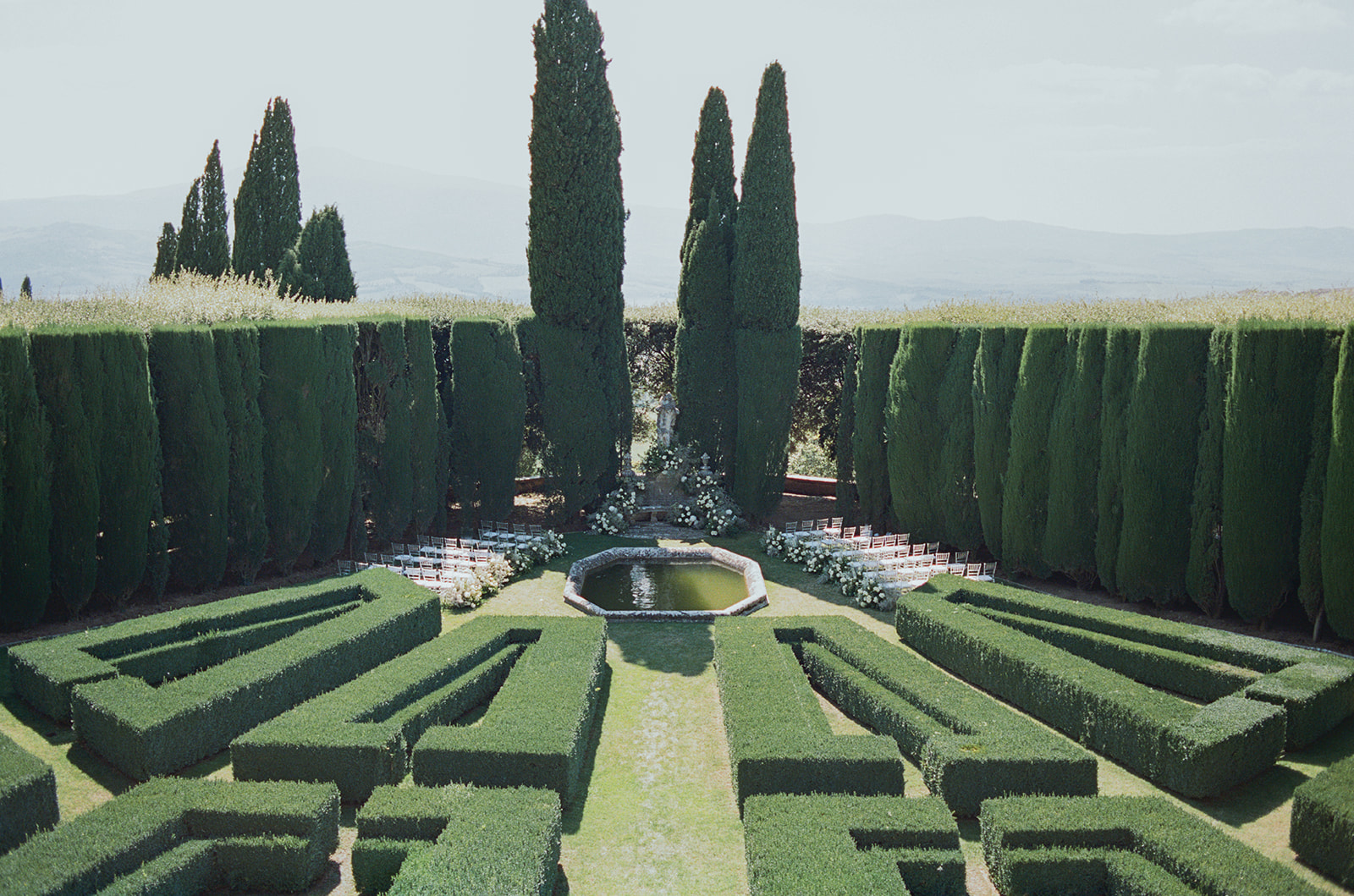
For many estates, hosting a small number of carefully selected weddings each year can generate substantial income while preserving exclusivity.
A strategic model might involve hosting three to six weddings annually, depending on the size of the estate and its operational capacity. This allows owners to establish a sustainable commercial framework without compromising the integrity of the property.
The Internationalisation of the European Wedding Market
The luxury wedding market across Europe is increasingly international.
Couples now travel across continents to celebrate in destinations that feel culturally rich, authentic and visually distinctive.
It is increasingly common for estates across Europe to host weddings for clients travelling from:
- The United States
- The Middle East
- Asia
- Across Europe itself
These celebrations are often organised by experienced destination wedding planners who specialise in managing complex international events.
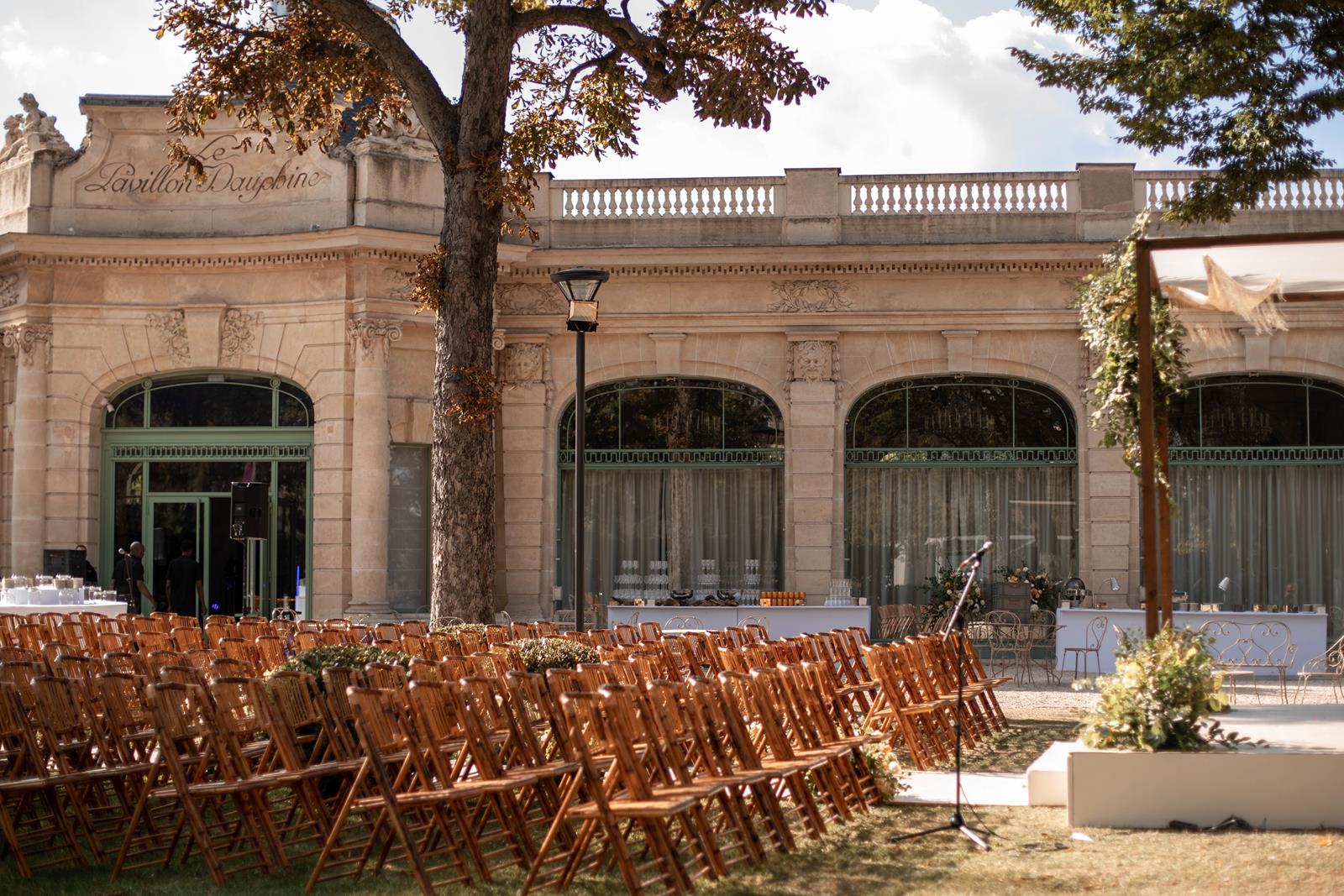
For estate owners, this means the wedding market is global rather than local. Successfully positioning a venue therefore requires an understanding of international clientele and strong relationships with destination planners.
Cultural Intelligence Is Essential
Luxury weddings are shaped by cultural expectations that vary significantly between regions and communities.
For example:
- Middle Eastern celebrations frequently involve multi day events and large guest numbers
- Indian weddings require detailed logistical planning and an understanding of ceremonial traditions
- American clients often expect full exclusivity of the property
- European couples may prioritise design, atmosphere and intimacy
Understanding these differences is essential when structuring an offering that is both attractive to clients and operationally manageable for the estate.
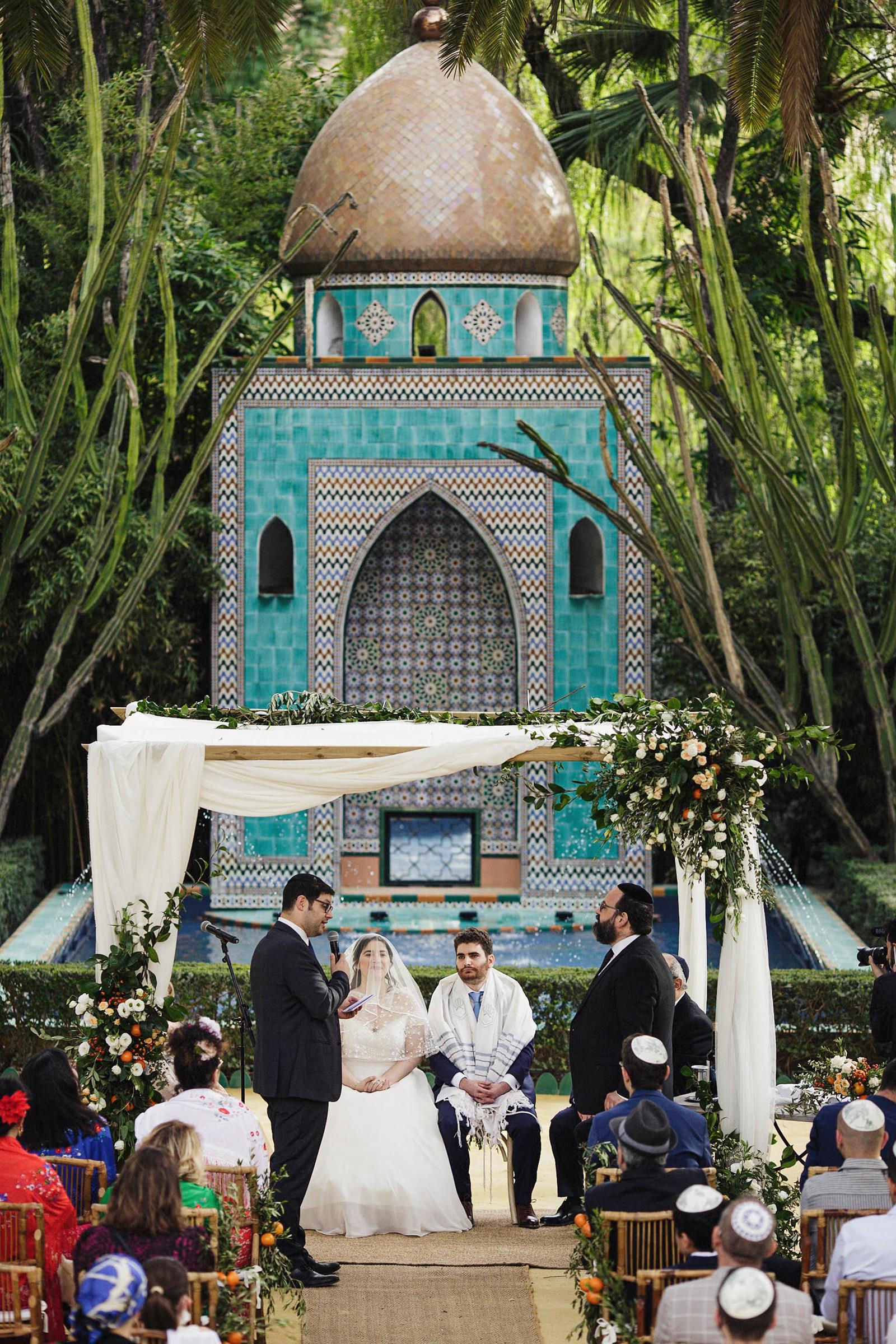
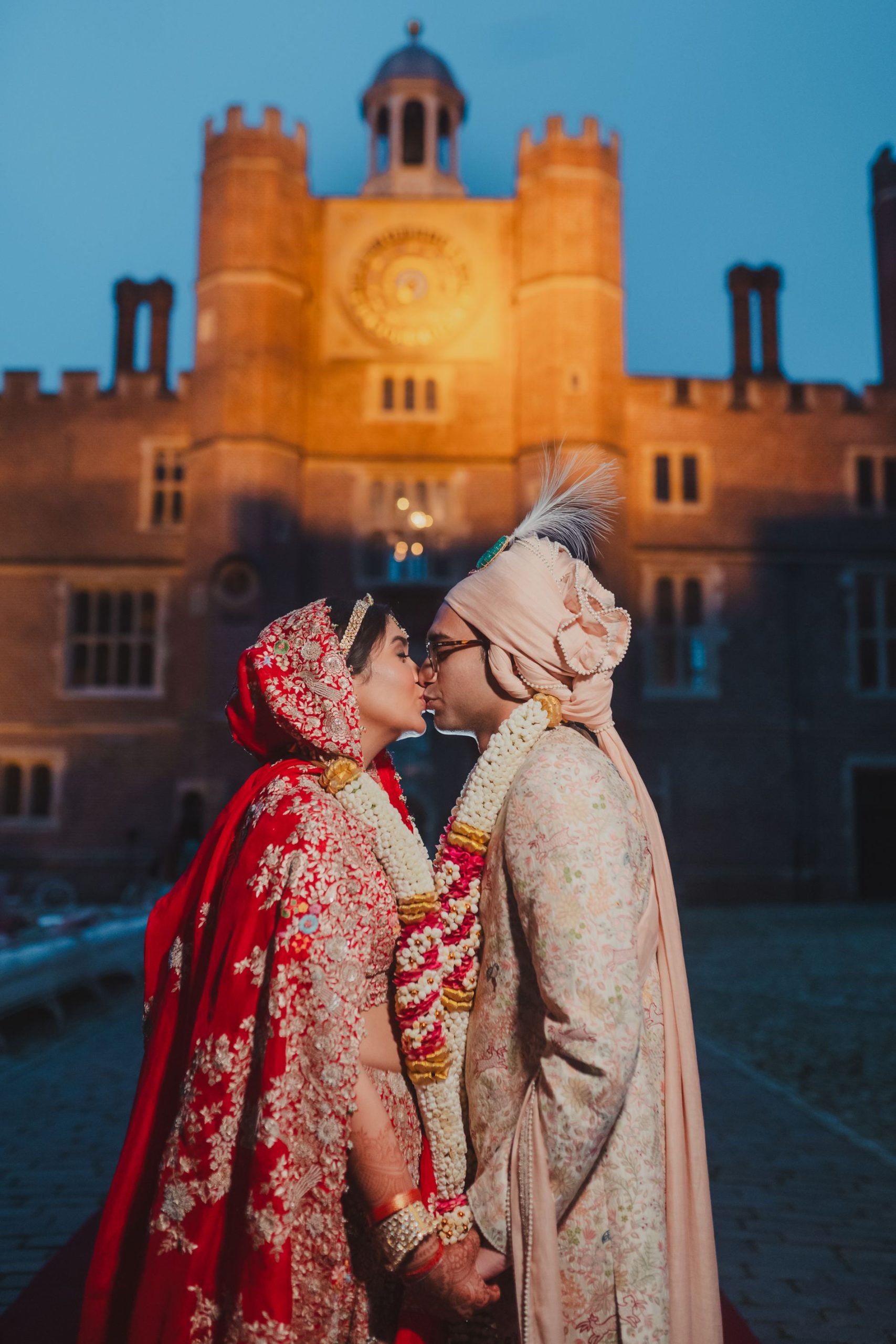
Cultural awareness and clear communication are therefore critical components of a successful wedding strategy.
Defining the Right Market Position
Developing a successful estate wedding strategy begins with deciding exactly who the venue should attract.
Some estates choose to market directly to couples by building a strong online presence and generating enquiries through their website.
Others focus primarily on relationships with wedding planners, particularly those who specialise in destination weddings and high value international clients.
In many cases the most effective strategy combines both approaches.
Clear positioning, strong visual storytelling and professional venue materials allow estates to communicate their value to planners while also appealing to couples researching destinations independently.
Structuring the Venue Experience
Once enquiries begin to arrive, the experience of visiting the estate becomes a decisive stage in the booking process.
A well structured venue visit can strongly influence whether a couple or planner proceeds with a booking.
The visit should provide clarity, confidence and a clear understanding of how the estate can host an event.
This often includes:
- Introducing the history and character of the property
- Demonstrating potential event layouts and spatial possibilities
- Explaining operational logistics and capacity clearly
- Understanding the couple’s vision and priorities
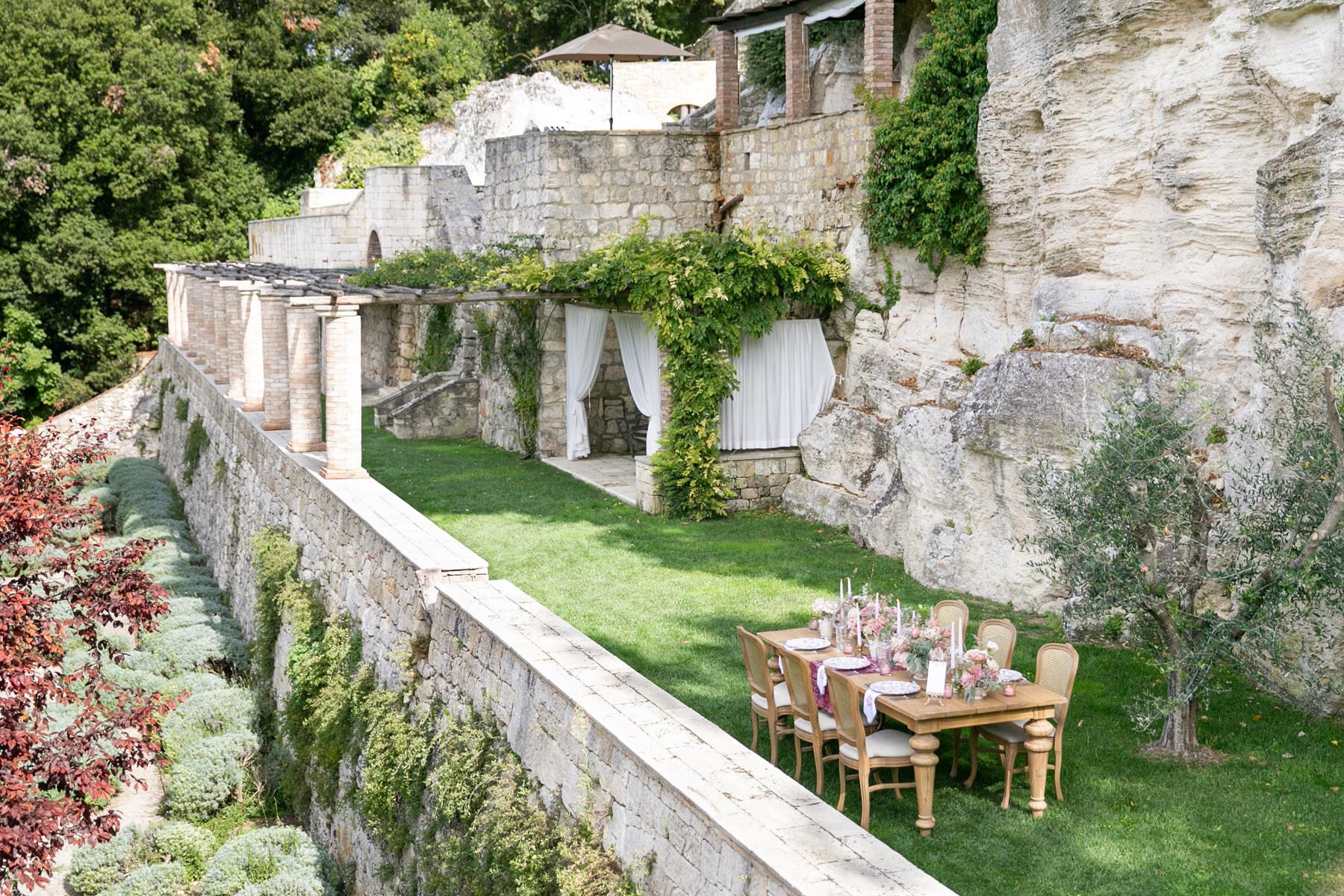
For professional planners in particular, a venue visit is about understanding how the property functions operationally. Estate teams who can confidently guide this process significantly increase the likelihood of conversion.
Choosing the Right Operational Model
Many heritage estates enter the wedding market through a dry hire model, where the property is rented as a blank canvas and external suppliers provide catering, production and design.
While this approach offers flexibility, it requires clear operational planning and strong supplier relationships.
Some estates choose to provide additional services, such as furniture, accommodation or catering partnerships. Others adopt a hybrid approach that combines dry hire with selected in house elements.
Selecting the right operational model depends on the estate’s infrastructure, its local supplier network and the long term vision for the property.
The Importance of a Strong Supplier Network
A carefully curated supplier network is often a key component of a successful venue strategy.
Recommended suppliers typically include:
- Caterers
- Florists
- Production companies
- Wedding planners
- Transport providers
A trusted supplier network reassures clients while helping the estate maintain quality standards and operational consistency.
At the same time, the structure of this list requires careful consideration. Some venues maintain an open supplier policy, while others develop a preferred network based on experience and reliability.
The right balance protects the reputation of the property while allowing clients sufficient creative flexibility.
Protecting the Legacy of the Estate
For many heritage properties, the goal is not to become a high volume wedding venue.
Instead, the objective is to host a limited number of carefully selected celebrations that align with the spirit and identity of the estate.
With thoughtful positioning, strategic pricing and a clear operational framework, weddings can become a valuable revenue stream while safeguarding the long term legacy of the property.
Strategic Advisory for Heritage Estates
Charlotte Ricard-Quesada advises heritage estates, private properties and hospitality venues across the UK and Europe on developing event led revenue strategies.
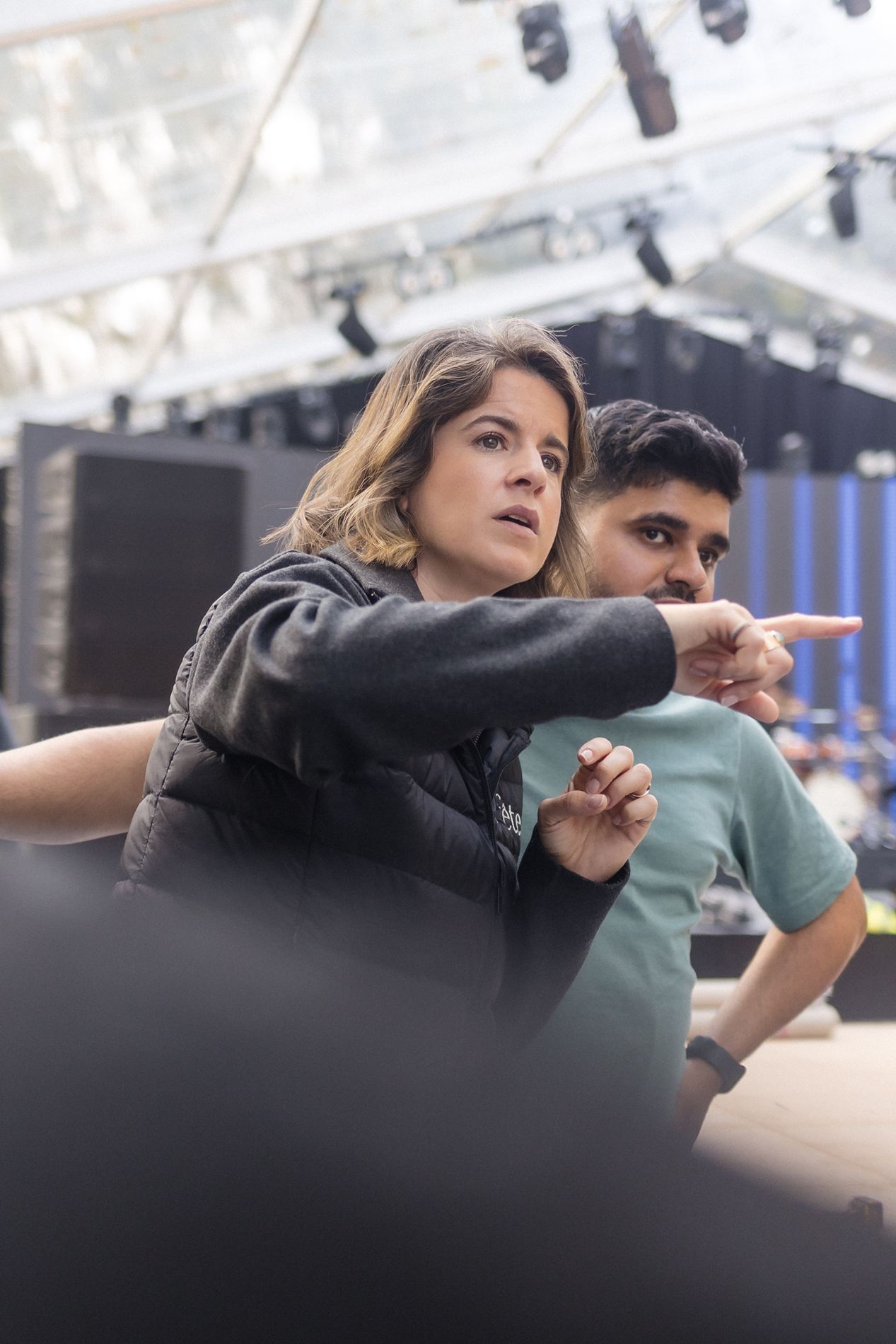
Through La Fête’s consultancy services, estate owners receive guidance on:
- Event portfolio structuring
- Pricing frameworks and seasonal modelling
- Capacity planning
- Positioning for international planners
- Venue marketing strategy
- Operational structure and implementation
The objective is to establish a clear commercial framework that allows estates to attract the right clientele while preserving the character and heritage of the property.